
Artificial Dyes in Kids' Food
Artificial food dyes are there for looks, not nutrition. What the evidence, the rules, and the labels mean for parents choosing kids' food.
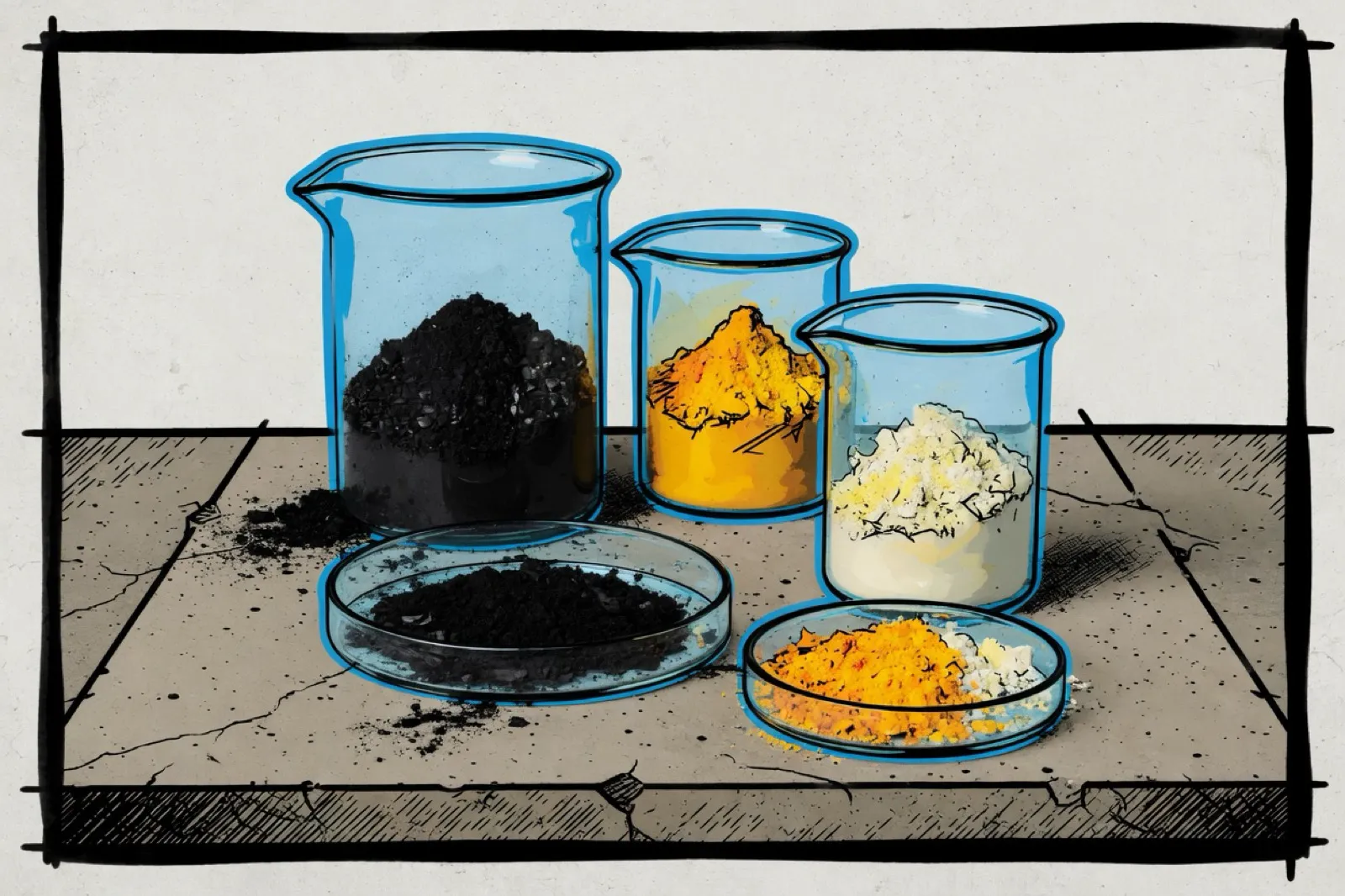
The bright colors in a lot of kids’ food come from synthetic dyes, not from fruit or spices. They’re in there so the food looks fun. They add no nutrition and they don’t keep anything fresh.
That doesn’t make every dyed snack dangerous. It does mean these chemicals earn their spot on looks alone, so it’s fair to ask what else they do to a kid.
Where kids get them
Red 40, Yellow 5, and Yellow 6 account for roughly 90% of food dye use in the United States. You’ll find them in candy, soft drinks, chips, popcorn, cereals, sports drinks, and baked goods. They also show up in food that reads as healthy on the shelf: flavored yogurt, applesauce, fruit cups. A normal day of snacks and packaged food hands a kid small doses over and over.
That pattern is why I care about this more than a single birthday-cake cupcake. It’s the daily drip.
What research shows
The research is mixed, and not every dye has the same evidence behind it. But enough keeps turning up that Europe, California, and consumer groups still treat the question as open.
The clearest signal is behavior. California’s Office of Environmental Health Hazard Assessment (OEHHA) concluded that synthetic food dyes can contribute to neurobehavioral effects in some kids. The studies point mostly at Red 40, Yellow 5, and Yellow 6, and mostly at children who are already sensitive. The effect isn’t the same for every kid.
Allergies involve the same three dyes. Yellow 5, Red 40, and Yellow 6 have been linked to hives, asthma-like symptoms, and other allergy-type reactions in sensitive people.
Cancer is where the claims get loudest. Red 3 (erythrosine) has been tied to thyroid tumors in animal studies, and the FDA has moved to ban its remaining food uses. For the other dyes the worry is less about the dye molecule and more about what rides along with it, like the benzidine-related impurities historically flagged for some azo dyes. A brightly colored snack is not going to give a kid cancer. But “coloring agent” makes these sound more inert than the record supports.
Gut bacteria is the newest thread. Early research suggests artificial dyes may shift gut bacteria in ways that could affect digestion and broader health. That work is young and I wouldn’t lean on it. It does fit the rest of the picture. Calling these compounds food paint undersells what they do once a kid swallows them.
Dye by dye
Red 40 is the most used dye in the U.S. It’s been linked to hyperactivity in sensitive kids and to allergic reactions, and some experimental work has picked up DNA damage and signs of colonic inflammation. How strong the human evidence is depends on which outcome you’re asking about.
Yellow 5 and Yellow 6 turn up in reports and reviews for behavioral changes, allergic reactions, and contamination or genotoxicity concerns in certain study settings. Again, the strength of that evidence changes with the endpoint.
Blue 1 may cross the blood-brain barrier in some experimental settings, which raises questions about neurotoxicity and development that human data hasn’t answered. Blue 2 has older animal work flagging a possible rise in brain tumors in male rats, which is thin, though I wouldn’t call it nothing. Red 3 is restricted or banned in several places because of the animal carcinogenicity (thyroid tumors) and broader concern about kids. Green 3 is less common and has been flagged for possible contamination with substances such as aniline.
Europe, California, and the FDA
The FDA says approved color additives are safe when used as regulated. That’s the official line. The Center for Science in the Public Interest (CSPI) argues the bar should be higher for dyes that add no nutrition and appear linked to behavior in children. I find that hard to dismiss.
The European Union requires a warning label on foods with certain synthetic colors, saying the color “may have an adverse effect on activity and attention in children.” Rather than carry the label, many manufacturers reformulated their EU products. The same brand can look different on opposite sides of the Atlantic.
California has gone furthest of the U.S. states. Its assessment work tied synthetic dyes to neurobehavioral effects in some kids, and the state has moved to keep several of these dyes out of school food. Other states are watching. State rules are moving while the federal ones sit still.
What I’d actually do
You don’t need a chemistry degree for this. The dyes are cosmetic, and for most kids small amounts are probably fine. For a kid with hyperactivity or a known sensitivity, cutting them back is worth trying.
Start with the label. The names to know are Red 40 (Allura Red), Yellow 5 (tartrazine), Yellow 6 (Sunset Yellow), Blue 1, Blue 2, Red 3, Green 3, and the catch-all phrase “artificial colors.” You only have to do this for a few weeks of shopping before you know which products in your rotation are the problem. When a version colored with fruit and vegetable juice, paprika, beet, turmeric, or annatto is sitting right there, take it. Better still is food that never needed a color.
Packaged candy, bright drinks, and “fun” cereals are where the exposure piles up, so those are the first things I’d cut. Whole foods skip the question. The sneaky ones are the snacks that look wholesome: flavored yogurt, applesauce pouches, fruit snacks, trail mix. Those are worth turning over and reading.
School food counts too, and you don’t control it. Kids eat a lot of meals away from home. That’s the argument for fixing what’s in your own kitchen. Swapping a few high-dye staples at home cuts more exposure than policing the occasional treat.
Sources
- U.S. Food and Drug Administration. Color Additives Questions and Answers for Consumers.
- Center for Science in the Public Interest (CSPI). Synthetic food dyes: A rainbow of risks; see also CSPI’s report Food Dyes: A Rainbow of Risks.
- Environmental Working Group (EWG). Surprise! Foods you’d never guess contain artificial food dye; 8 ways to avoid giving your kids food with artificial coloring.
- California Office of Environmental Health Hazard Assessment (OEHHA). Report links synthetic food dyes to hyperactivity and other neurobehavioral effects in children (2021 assessment).
- State of California. Governor Newsom executive order on ultra-processed foods and food dyes / school restrictions.
- European Food Safety Authority (EFSA). Evaluation of the Southampton study on food colours and child behaviour; EU Regulation 1333/2008 warning language on certain colours and children’s activity/attention.
- Potera, C. Diet and Nutrition: The Artificial Food Dye Blues. Environmental Health Perspectives (PMC).
- Healthline. Food Dyes: Harmless or Harmful? (overview of mixed evidence).